–
Days
Nayan’s birthday adventure · A trip for FIS families
Nayan turns 11 a week after this trip, so this year’s birthday adventure is a guided visit inside ESOC, the European Space Operations Centre, where the European Space Agency flies real spacecraft around the clock. First, birthday pizza in Darmstadt.
Ground control to Major Nayan
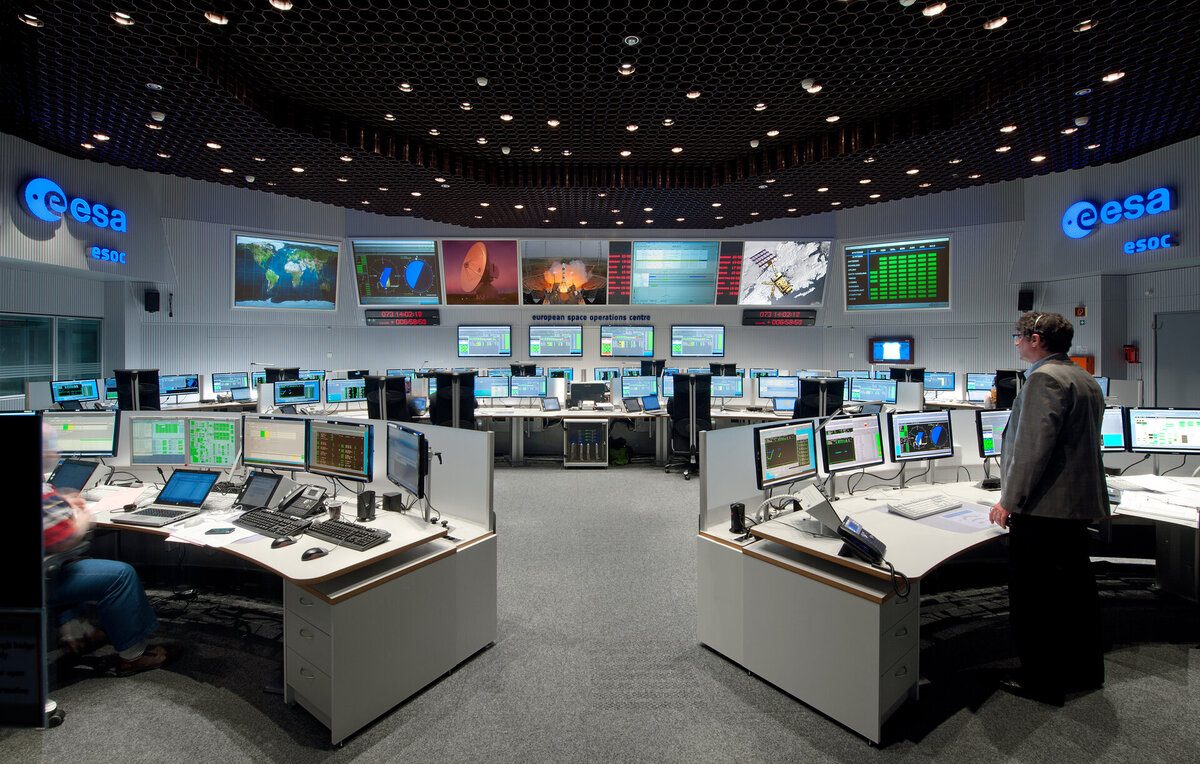
ESOC is not a museum. It is the working mission control of the European Space Agency, the place where real spacecraft are launched, flown, landed and occasionally rescued, and it opens its doors only to booked groups like ours.
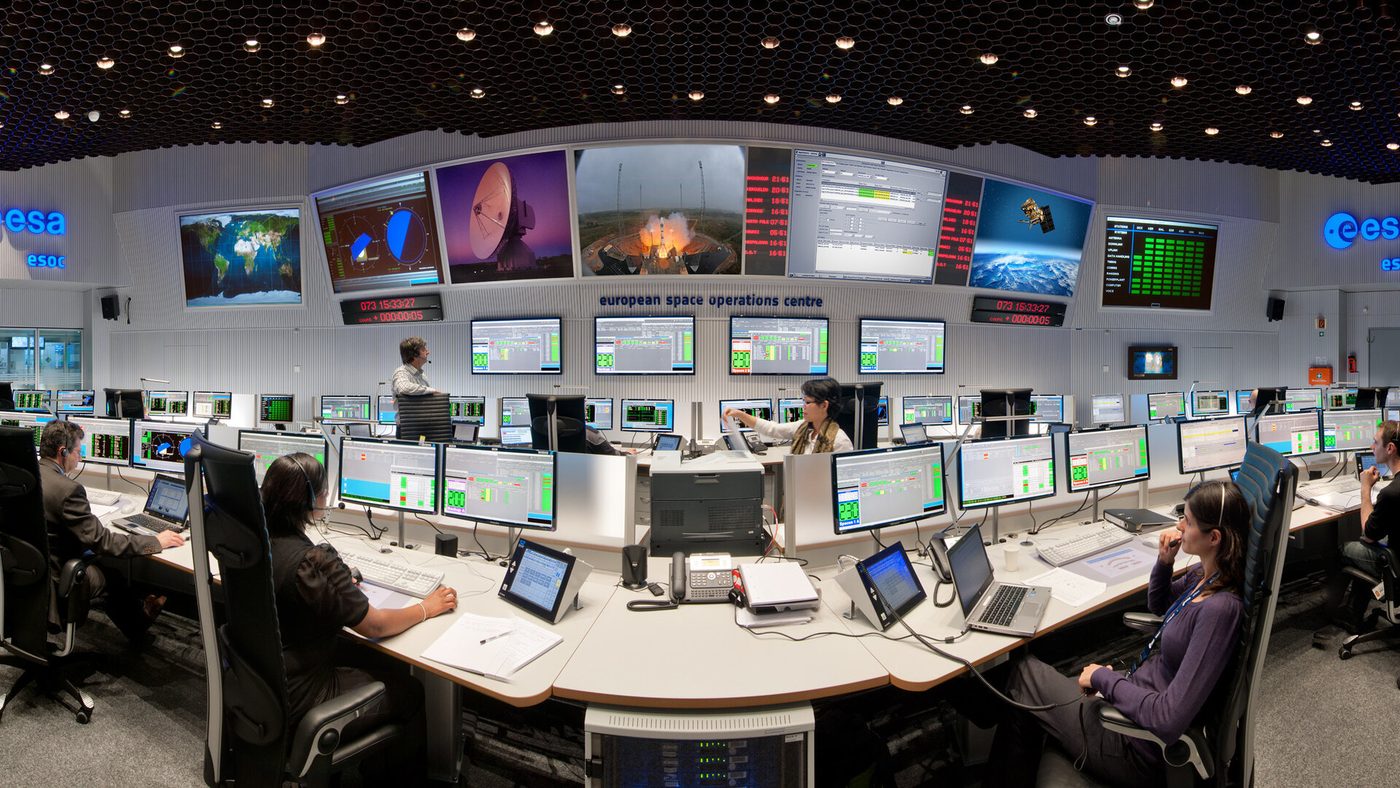
The big room, rows of consoles under a giant mission screen. This is where spacecraft are nursed through their first terrifying hours after launch, and where the room erupts when a lander phones home. Every seat has a call sign, and the person in it owns one piece of the spacecraft.
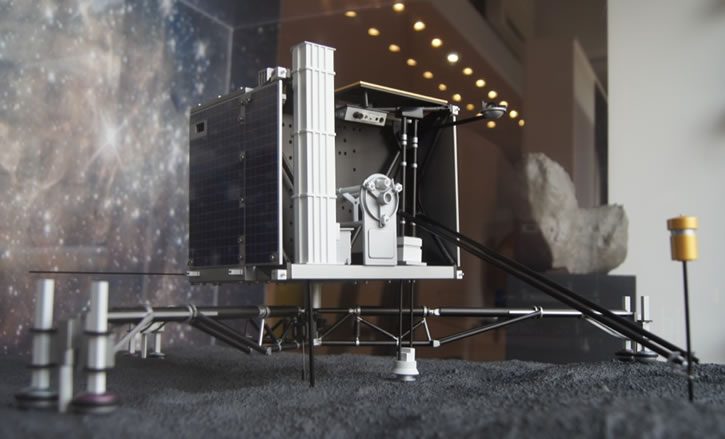
Full-scale models of the machines Darmstadt flies: Rosetta, which chased a comet for ten years and dropped the Philae lander onto it, and BepiColombo, currently cruising to Mercury, the least-visited planet in the solar system.
Beyond the main room sit dedicated control rooms for missions in flight right now: Juice, eight years out from Jupiter's icy moons, Earth watchers watching our own planet, and more. The lights are on around the clock, Christmas included.
The mathematicians who plot trajectories years ahead, threading spacecraft past planets to steal speed from gravity itself. Juice got its push towards Jupiter by swinging past Earth and Venus, each slingshot calculated here.
ESOC's Space Debris Office tracks thousands of dead satellites and fragments whizzing round Earth, and shouts when one is on a collision course with a living spacecraft. Dodging space junk is a real job, and it is done from Darmstadt.
To hear spacecraft wherever they are, ESA runs giant dish antennas in Spain, Australia and Argentina. As Earth turns, the signal hands over from dish to dish, and every conversation starts and ends in Darmstadt.
Why this is special
Almost nobody gets in. There is no ticket desk and no public tour; you go inside because a group booking takes you. The people on shift that afternoon will be flying actual missions while we watch, and some of the spacecraft they are flying will not reach their destinations until today's Grade 5s are at university.
The Main Control Room at ESOC, Darmstadt. Photo: ESA
Loading mission data…
Planetary scale
Mission control talks to spacecraft by radio, at the speed of light, and still has to wait. Pick a destination on the flight dynamics console, then send it a signal and watch the wait.
Mission briefing
Getting there · Documents
The totally unofficial launch pad
ESA would never approve this. Pick your astronaut, grab them with your mouse or finger, pull the catapult back as far as you dare, and let go. Past 100 km is officially space. A really mighty pull might just reach the Moon.
Pull the astronaut back… then let go.
The crew assembles in the tour WhatsApp group. Join, then post the full name of each participant and each child's age. The group is where updates, car shares, pizza plans and photos will live.
Sign-ups close on 10 February 2027. After that the participant list goes to ESA and is final.
Join the WhatsApp group